
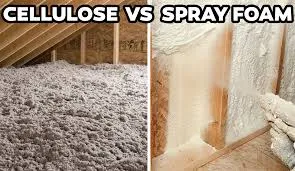
Homeowners planning a weekend retrofit frequently compare added insulation for attic homedepot bundles against lowes blown in insulation machine rentals—or weigh loose-fill cellulose against expanding attic insulation fiberglass.
Retail DIY Rentals vs. Commercial Pro Blow-In
| Factor | Home Depot / Lowes Blown In Insulation | Commercial Pro Installation |
|---|---|---|
| Blower Pressure | Low-wattage 110V retail hopper | High-output truck-mounted commercial blower |
| Material Density | Prone to settling & air pockets | Engineered density for consistent R-60 ↗ NB Power |
| Air Sealing Prep | Usually skipped in DIY kits | Full foam sealing of top plates & pot lights first ↗ ENERGY STAR |
| Time & Labor | 8–12 hours of dusty attic crawling | Completed cleanly in 2–4 hours |
Expanding Attic Insulation Fiberglass vs. Cellulose
- Expanding Attic Insulation Fiberglass: Spun glass nodules expand as they exit the hose, offering non-combustible, non-settling thermal coverage that resists moisture absorption.
- Dense-Pack Cellulose: Offers higher R-value per inch (R-3.7 vs R-2.5) and superior airflow resistance in drafty older homes.
--- Sources & Building Science References: ENERGY STAR — Choosing Insulation Types & R-Values NB Power — Attic Insulation Standards