
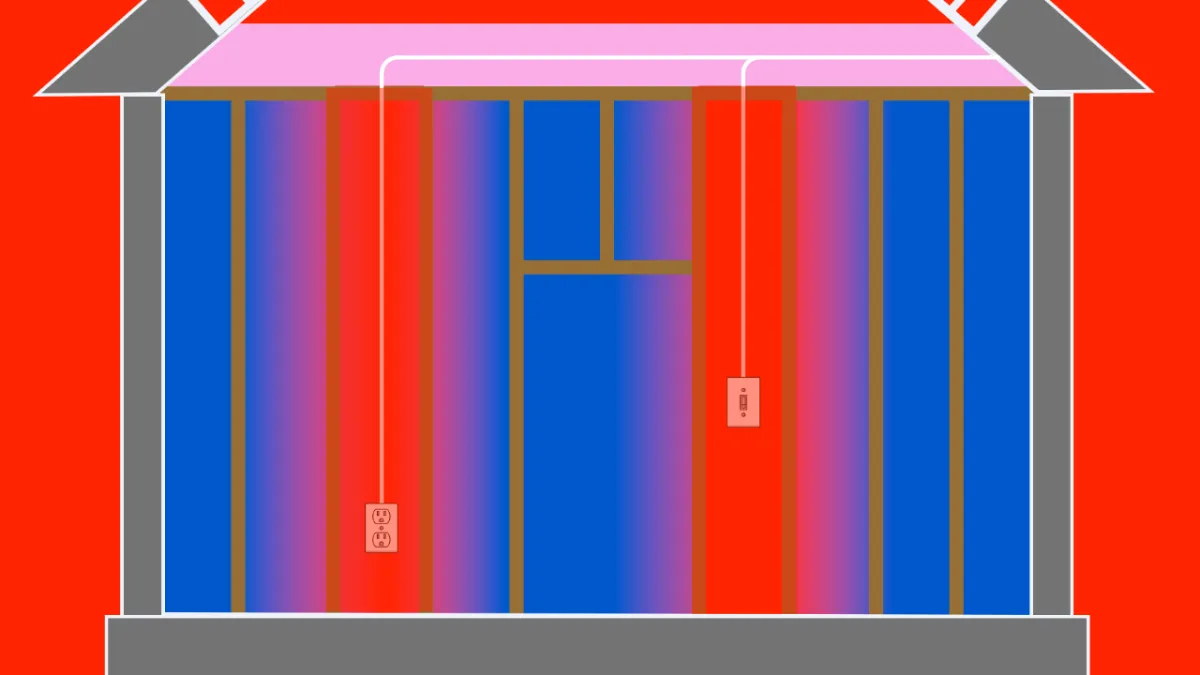
Homeowners assume that adding another foot of insulation to their attic will instantly solve drafty rooms. However, without proper air sealing, warm air escapes right through the insulation material like wind through a wool sweater.
Air Leakage vs. Insulation Checklist
| Efficiency Factor | Air Sealing (Draft Barrier) | Insulation (Thermal Blanket) |
|---|---|---|
| Main Function | Stops convective air movement through cracks | Slows conductive heat transfer through surfaces |
| Target Areas | Top plates, light fixtures, plumbing stacks | Open ceiling decks, exterior walls & floors |
| Impact on Comfort | Eliminates drafts, cold spots & ice dams | Retains stable room temperatures |
| Moisture Control | Prevents warm moisture from entering attic | Provides R-value protection |
Common Ceiling Bypass Leak Locations
Warm air naturally rises due to the stack effect, finding hidden pathways into your attic:
- Recessed Pot Lights: Unsealed fixture housings leak significant warm air directly into cold attic spaces.
- Interior Wall Top Plates: Gaps where drywall meets wooden framing allow heat to escape from every room in the house.
- Attic Access Hatches: Uninsulated or unsealed attic doors act as open chimneys for heat loss.
Preventing Winter Ice Dams
When warm indoor air leaks into an unsealed attic, it warms the roof deck, melting snow that runs down and freezes at the eaves. Air sealing top plates eliminates the heat loss that causes ice damming.
Ready to Stop Thermal Leaks? We perform thermal camera inspections to locate leakage points before blowing in insulation. Contact us today for a free evaluation.